The Instant Masterpiece
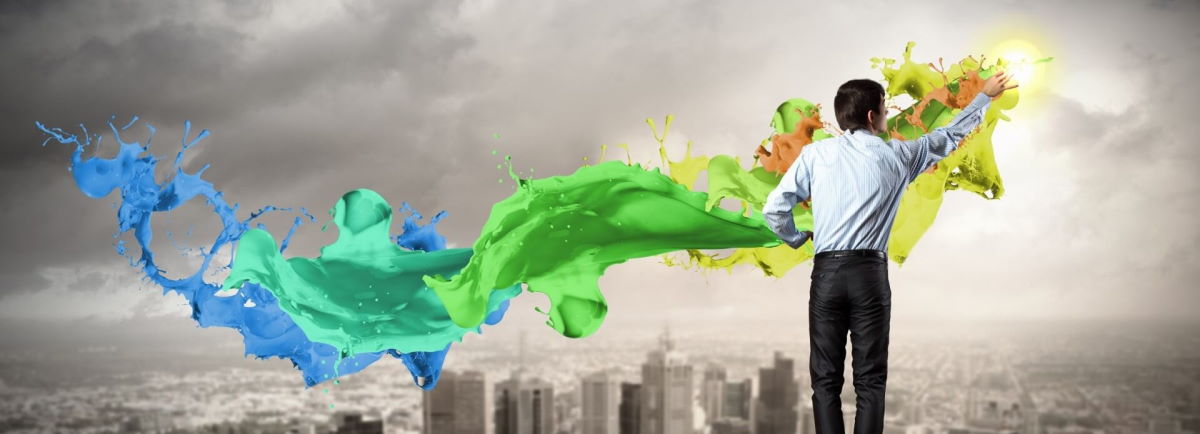
With a single, well-crafted text prompt, anyone can now generate a stunning digital painting, compose a symphonic melody, or write a beautifully structured sonnet in under thirty seconds. It feels like a superpower. By lowering the barrier to entry, generative AI has democratised the creative process, allowing individuals without formal technical training to bring their ideas to life. Yet, as the internet fills with an endless stream of algorithmically generated art, a uncomfortable question begins to loom: is this technology expanding our imagination, or is it quietly making us less creative?
The Loss of Creative Friction
To understand the risk AI poses to human creativity, we have to look at how original ideas are actually born. True creativity is rarely a linear path; it is a messy journey defined by friction, frustration, and happy accidents. It is the physical struggle of blending oil paints on a canvas, or the mental strain of rewriting a stubborn sentence five times until the rhythm clicks. When we outsource the entire messy middle of creation to an algorithm, we bypass this vital friction. By skipping the struggle, we might also be skipping the times where genuine creative breakthroughs happen.
Another concern is that large language models and image generators are fundamentally derivative. They do not think, feel, or experience the world; they look backward at existing human data to predict what should come next.
Because these large languahe models (LLM) rely on mathematical probabilities, AI tools naturally gravitate towards the average, the expected, and the cliché. If an entire generation of students and professionals relies on the same handful of algorithms for brainstorming, our collective creative output risks becoming deeply homogenised (all the same). We may find ourselves trapped in a loop of polite, polished, but ultimately soul-less mediocrity.
Redefining the Creative Blueprint
However, this does not have to be a story of creative decline. History shows us that whenever a disruptive new tool emerges, it changes the nature of creativity rather than destroying it. The invention of photography did not kill painting; instead, it freed painters from the chore of hyper-realistic representation and birthed the Impressionist movement. Similarly, AI can be viewed as a powerful tool for rapid prototyping. Instead of using it to finish our work, we can use it to generate raw materials—shuffling unexpected concepts together to spark a completely original human thought.
The True Source of Originality
Ultimately, the most compelling art and innovative ideas stem from lived human experiences, our unique heartbreaks, cultural backgrounds, flaws, and eccentricities. An algorithm can mimic the style of a masterpiece, but it cannot replicate the raw, vulnerable intent behind it. The future of creativity belongs to those who treat AI as a springboard rather than a couch. If we use these tools to handle the routine aspects of production while guarding our own unique perspective, artificial intelligence won’t make us less creative. Instead, it will force us to dig deeper into what makes our imagination uniquely human.